What Is Mandatory Inclusionary Housing?
Envisioning Development


Planning for your children's future
Technical Assistance

Block Party
City Studies

Pass It On!
Making Policy Public
Meet the Gun Laws
City Studies






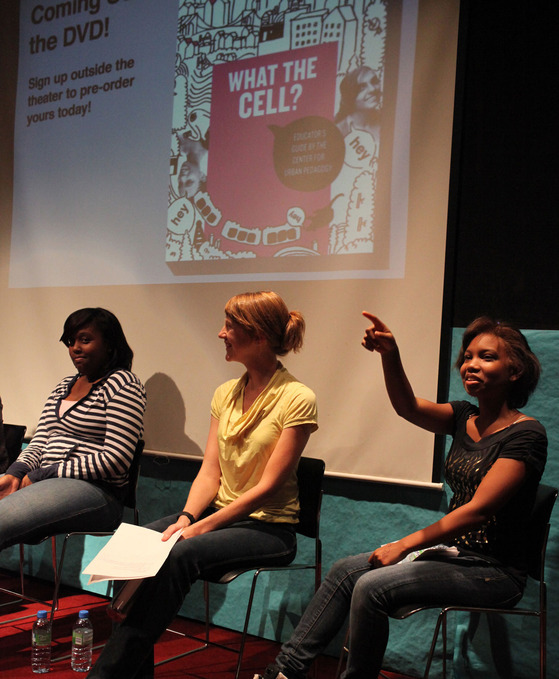
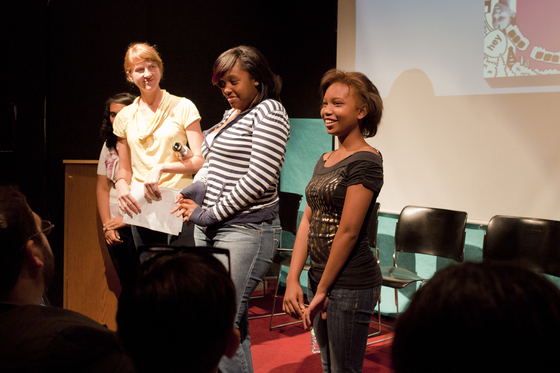
What the Cell? debut screening
Blackberries, Razors, and Droids, OMG! We spend so much time with them, but do we know anything about how cell phones work? How do our voices travel through the air? Why do our cell phone bills work the way they do? Who owns the air?
What the Cell? is a collaboration of CUP, teaching artist Helki Frantzen, and high school students from Crown Heights, Brooklyn. To unscramble the signals, the crew interviewed engineers, utility lawyers, consumer advocates, and electrophysicists; they inspected a Verizon high-security switching station and scoped out cell phone testing labs at Consumers Union. Together with CUP, they created this 30-minute documentary about the switches, wires, airwaves, and policies that affect your cell phone service. Join the crew as they trace how regulation and business models shape what you can and can't do with your cell phone, and get to know your airwaves a little better.
The debut screening was followed by a panel discussion moderated by student Brianna Tyler with electrical engineer Howard Huang and Howard Feld from Public Knowledge.