Share, Where?
Urban Investigations


Bodega Down Bronx
Urban Investigations

It's Not Just Personal
Making Policy Public

What Is Zoning?
Envisioning Development

From Cellblock to Your Block
Urban Investigations

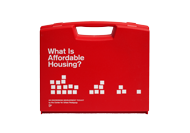
What Is Affordable Housing?
Envisioning Development






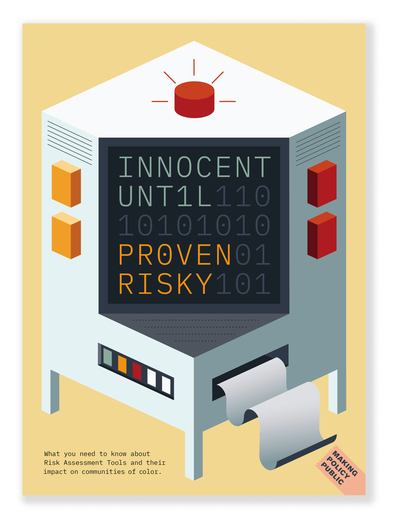


 Innocent Until Proven Risky
Everyday, nearly half a million people who have only been accused of a crime are held in jail before their trial, mostly because they can’t afford to pay bail. And 70% of them are people of color. One proposed solution to lower the rates of people held in jail pretrial is to use Risk Assessment Tools (RATs), or decision-making tools, to help judges set a person’s pretrial conditions. RATs use demographic information to guess how a person accused of a crime will behave if they’re released from jail before trial. But as RATs are being used more frequently across the country with little transparency, the racial disparities in pretrial detention have not improved, and in some places, have worsened.
To help communities understand how RATs work and how to organize for alternatives, CUP collaborated with JustLeadershipUSA and designer Katrin Bichler to create Innocent Until Proven Risky. The fold-out poster illustrates how pretrial Risk Assessment Tools work and how they can impact individuals differently based on their race and class. The guide folds out into a poster that explores community-based alternatives to RATs.
- 8″ × 11″ color pamphlet; unfolds to 22″ × 32″ poster
- $8.00